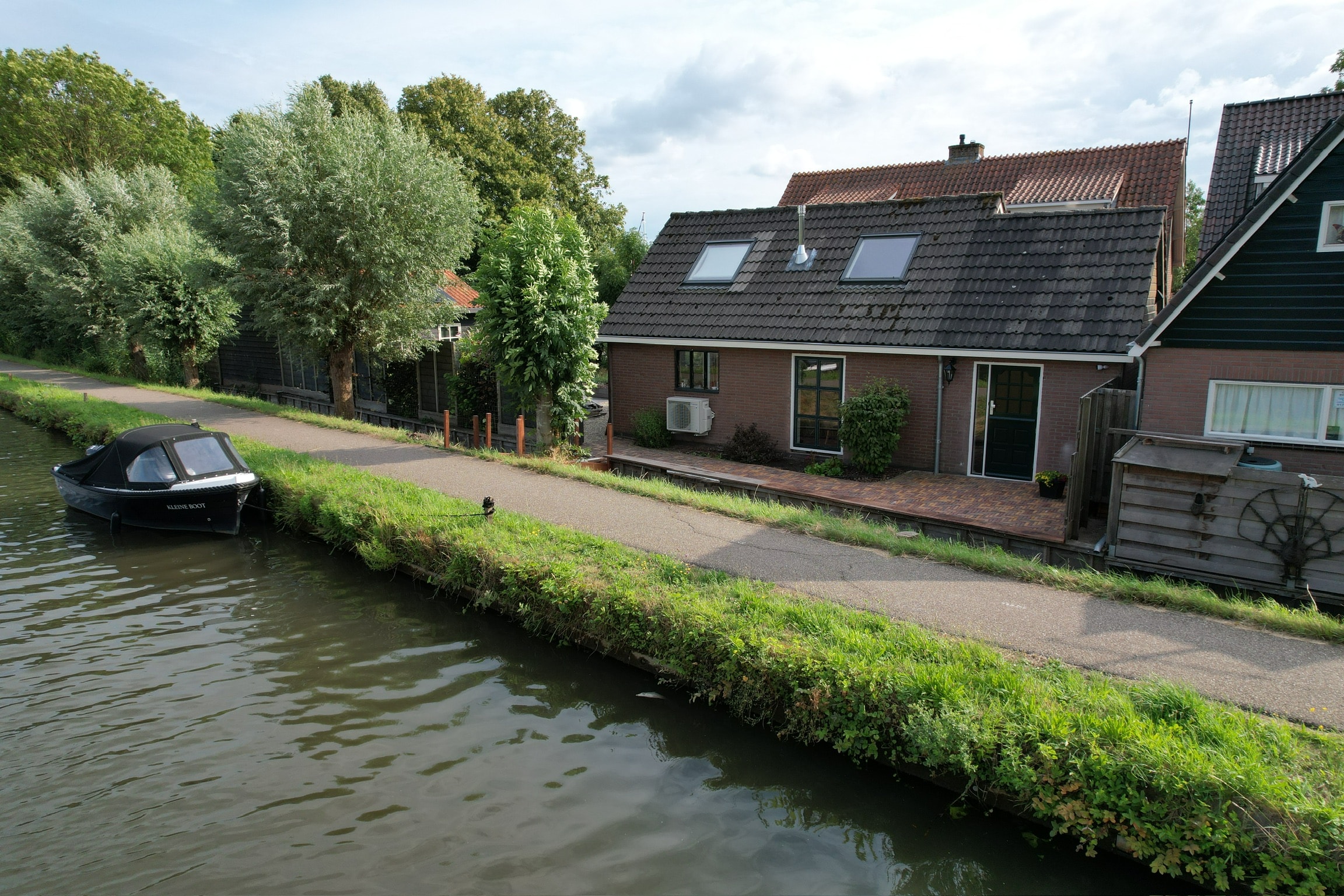
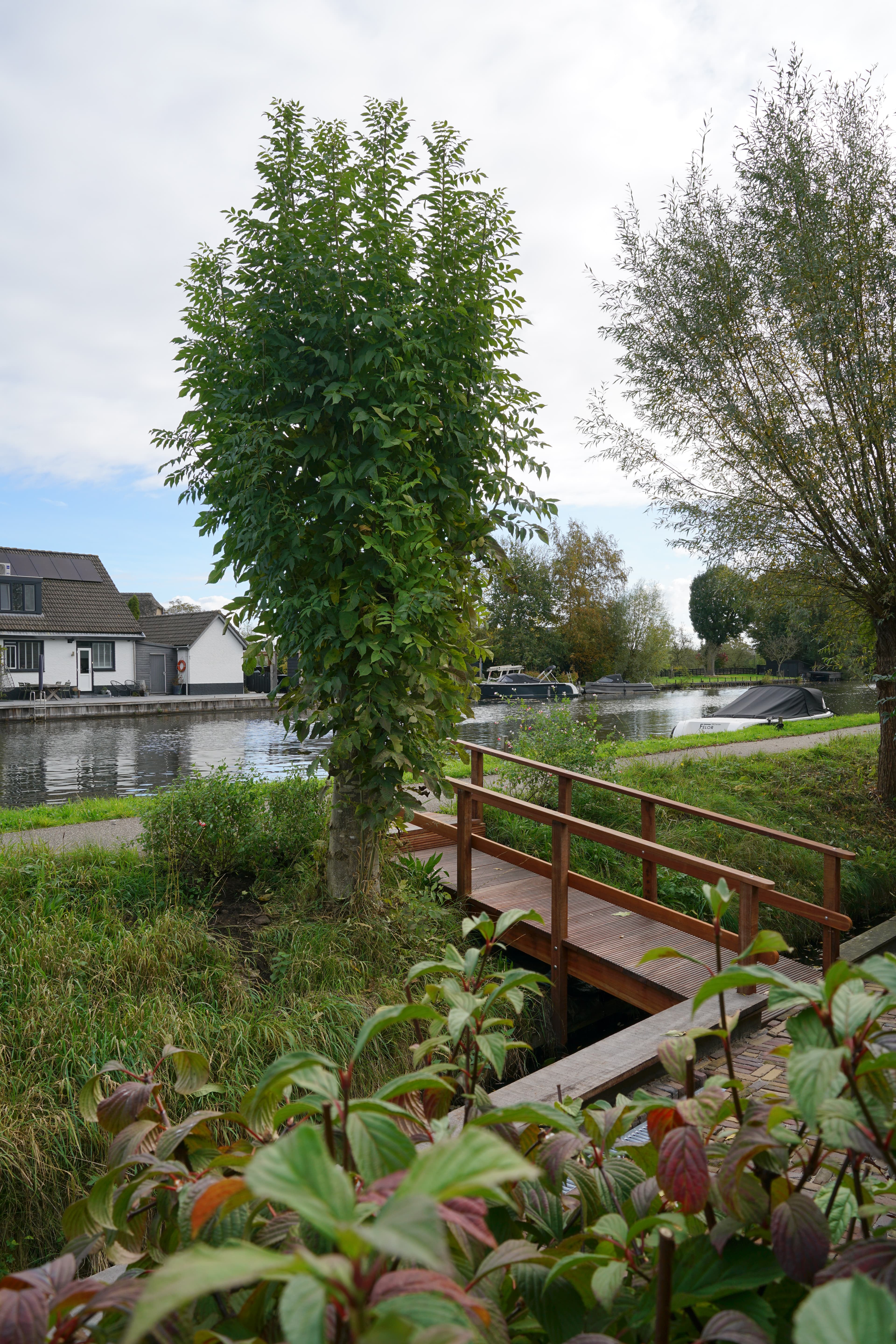
From our B&B, looking out over the Old Rhine, you see a landscape that defended the Netherlands for centuries without firing a single shot. The Dutch Waterline is no wall and no rampart: it is a defensive line made of water. A thoughtful system of locks, dykes, inundation canals and forts that in wartime could flood entire polders under a thin, impassable layer of water — too shallow for ships, too deep for horses and cannons.
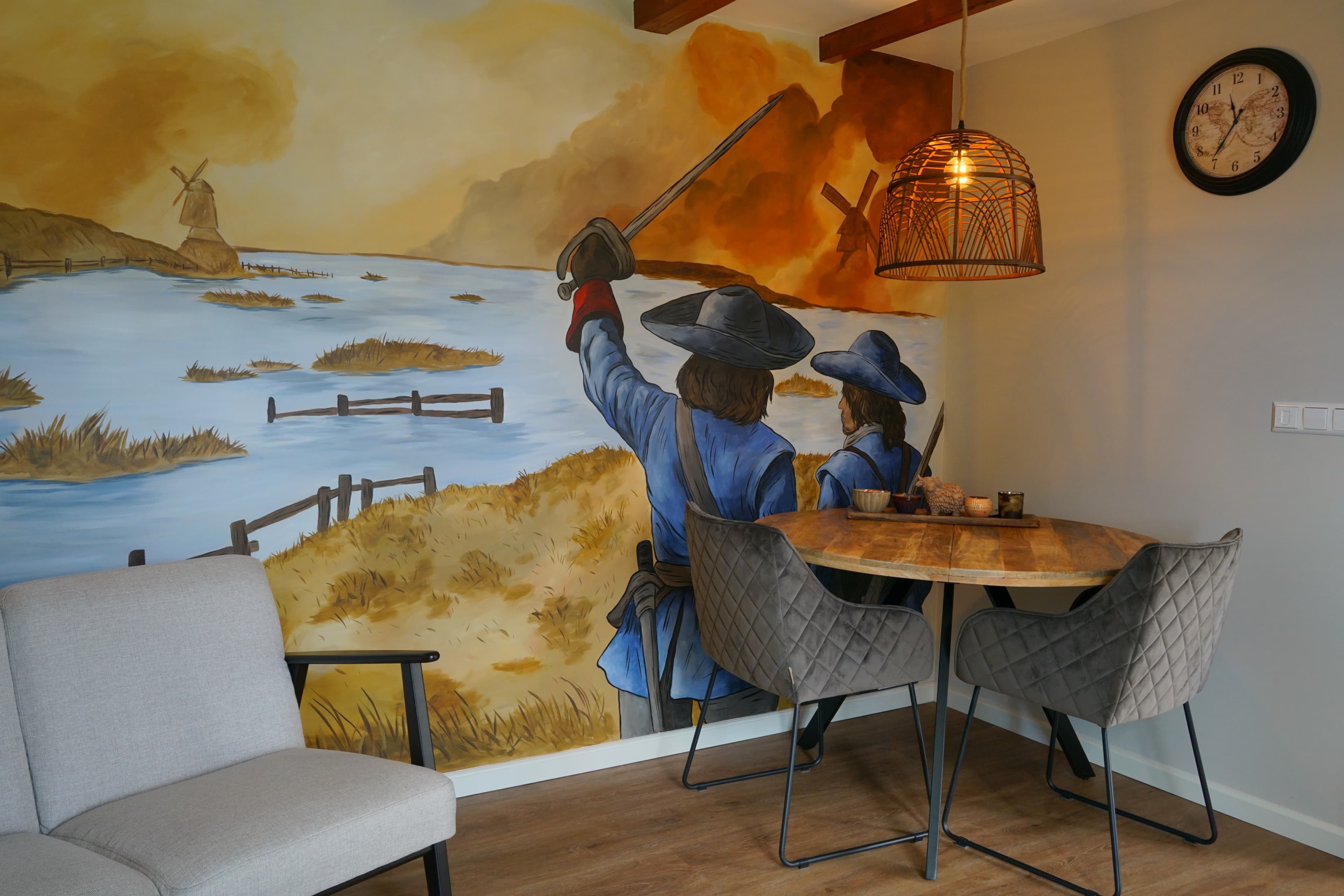
The idea was born as early as the seventeenth century, when in the disaster year of 1672 the Dutch Republic was suddenly besieged by France, England and two German principalities. Under stadtholder William III, the Old Dutch Waterline was hastily put in place, with Woerden, Bodegraven and Nieuwerbrug as vulnerable hinges in the northern section. Here, along the Old Rhine, narrow dykes and high-lying roads came together — exactly the places the enemy could cross dry-shod, and so precisely here the line had to be at its strongest.
In Napoleonic times the old line proved outdated, and in the nineteenth century the New Dutch Waterline was built further east, with heavier forts and more modern artillery. During the Franco-Prussian War of 1870 the line was put on alert; at the mobilisation of 1914 Dutch soldiers once again moved into the forts and casemates. Only in May 1940 did history show how quickly time had caught up with the water weapon: the German Luftwaffe simply flew over it, and the line fell within days.
And yet the landscape remained. The forts, lock-keepers' houses, fields of fire and inundation basins are still there, set between pollarded willows and meadows. Around Nieuwerbrug, Woerden and the Old Rhine, this area formed a key link — the northern flank where the waterline was at its narrowest and most vulnerable, and where the Wierickerschans still keeps watch over the polder landscape.
In 2021 UNESCO recognised the old and new lines together as a single World Heritage Site: the Dutch Water Defence Lines. A tribute to a landscape that defended more gently and quietly than any fortress.
And it is precisely there, at the edge of that silent line, that our B&B De Oude Waterlinie lies — named after the water that wrote history here.